


■ Pull-Up vs Pull-Down Lap Belt
The two main lap belt adjustment styles are pull-up and pull-down configurations.
Understanding the differences between them can help you choose the right harness based on your vehicle type, seating position, and personal preference.
■ What Is a Lap Belt in a Racing Harness?
The lap belt is a fundamental part of a multi-point racing harness.
It secures the driver’s pelvis and plays a key role in distributing impact forces during a crash.
Lap belts are desiged to:
- Minimize forward and lateral movement
- Keep the driver securely in position
- Work in conjunction with shoulder belts and anti-sub straps
To support this critical function, the method of tightening the lap belt can significantly affect both safety and usability.
■ Pull-Up Lap Belt
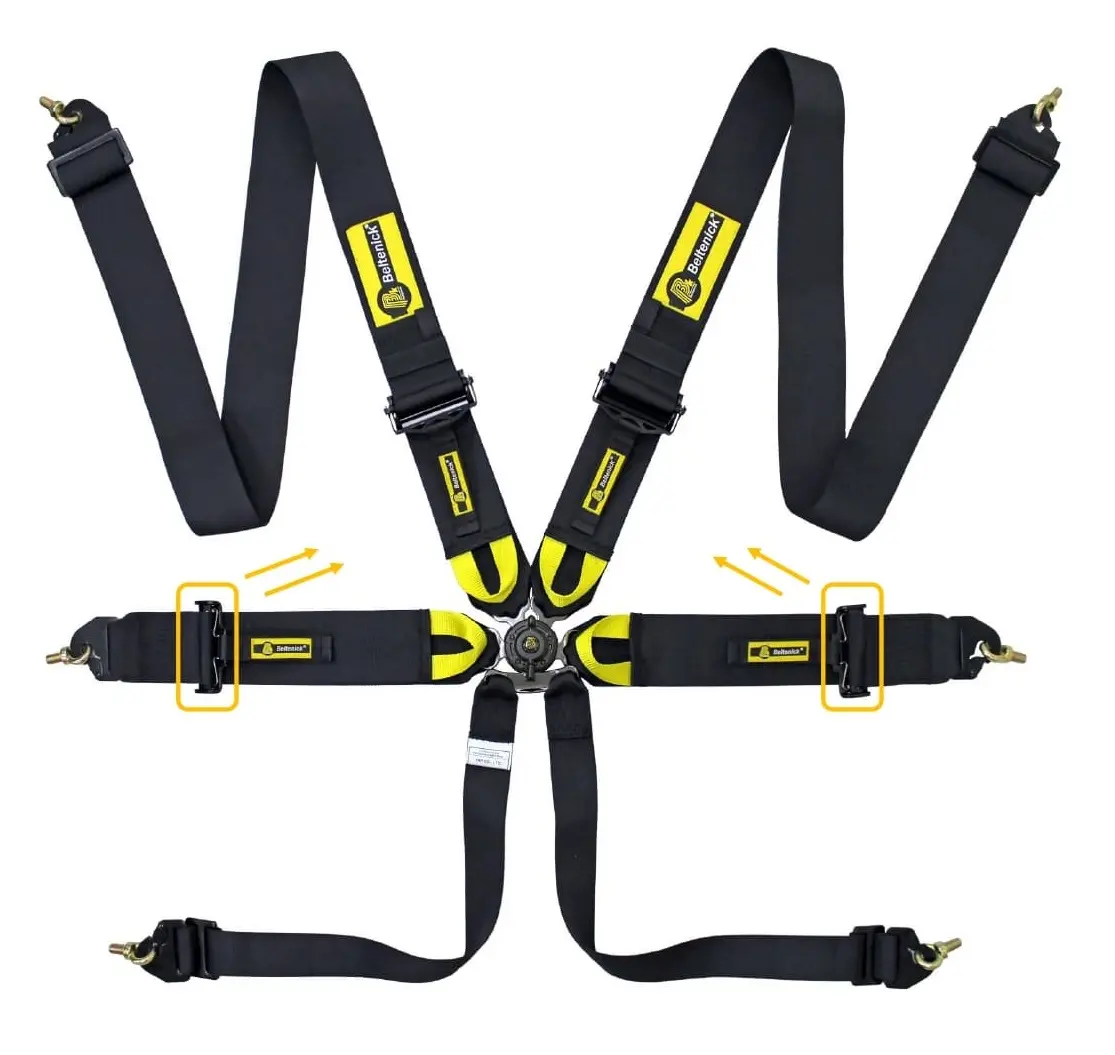
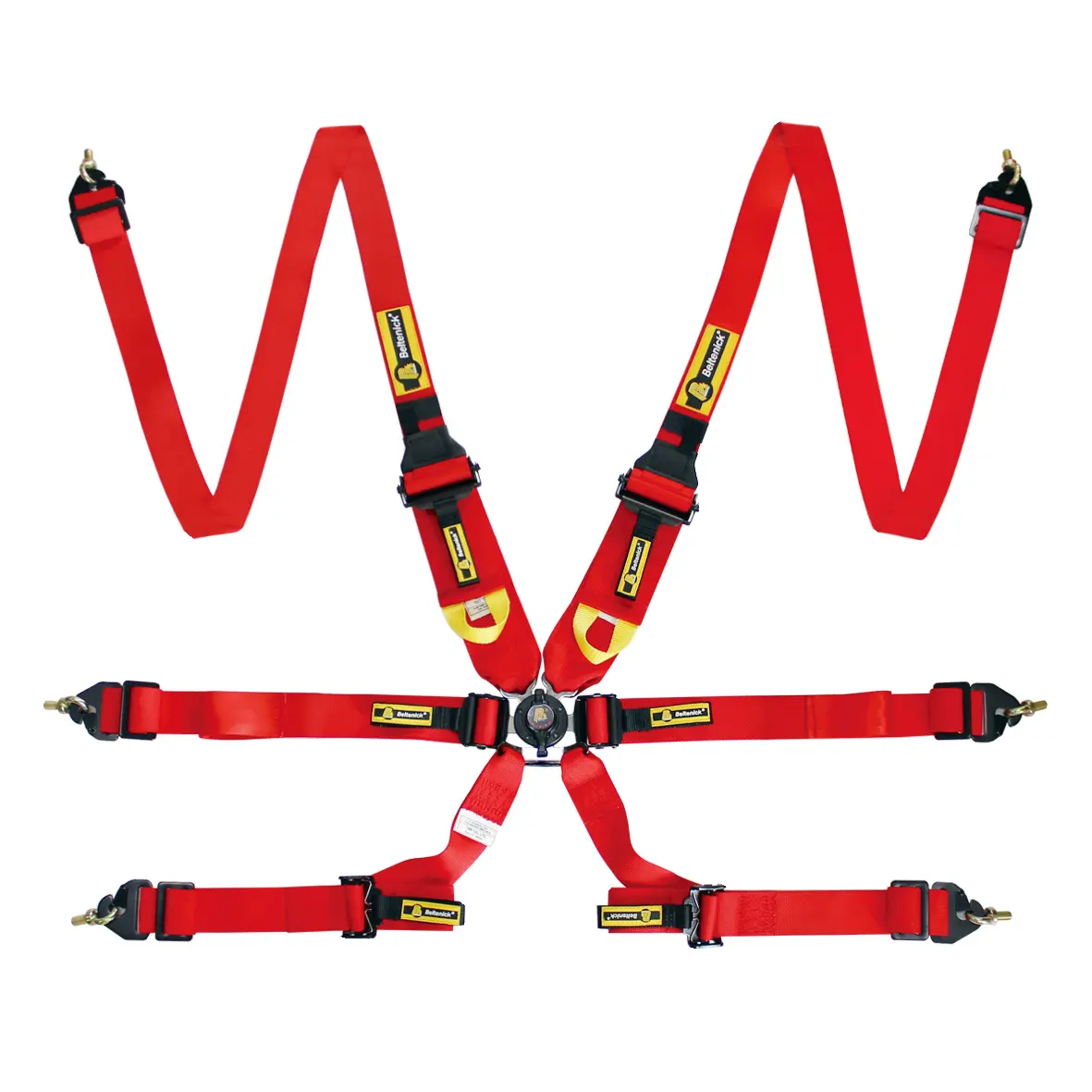
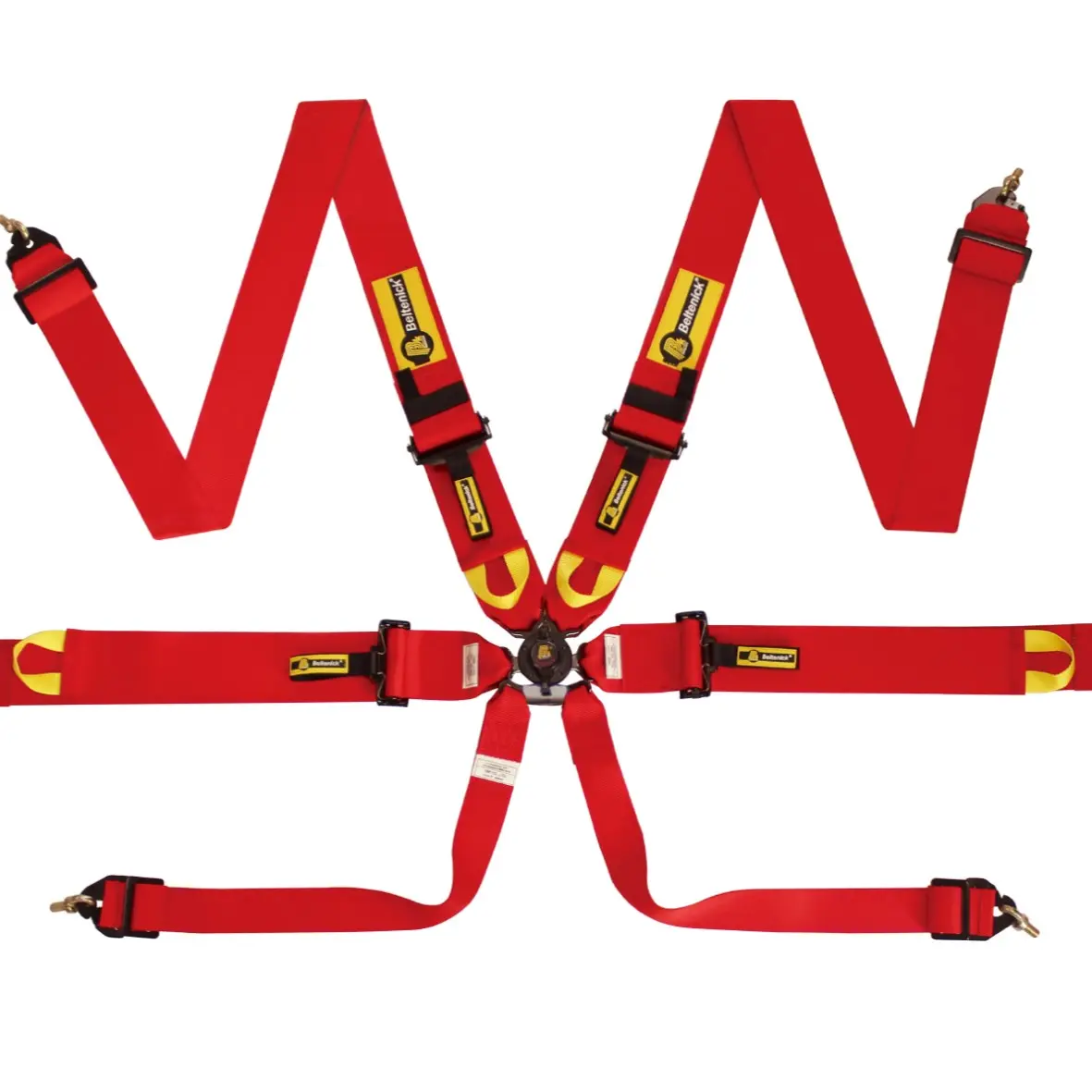
A pull-up lap belt is tightened by pulling the adjustment straps upward, toward the driver.
Key benefits of pull-up lap belts include:
Ideal for tight cockpits
When cockpit space is limited, tightening the lap belt by pulling upward is easier, as the driver does not need to reach down into restricted areas.
Suitable for deep bucket seats
When seat side bolsters are high, pulling downward can be difficult. A pull-up design allows for easier adjustment with a more accessible upward motion.
■ Pull-Down Lap Belt
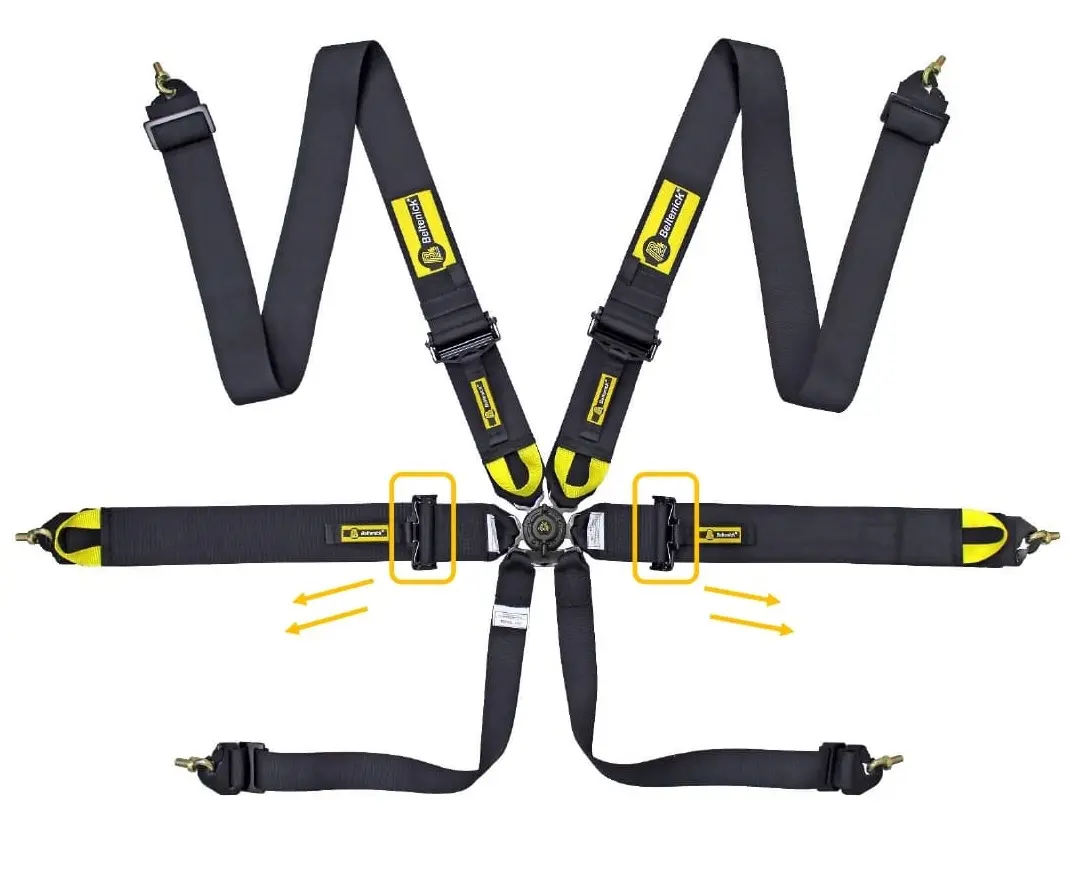
A pull-down lap belt is tightened by pulling the adjustment straps downward, toward the hips or seat base.
Key benefits of pull-up lap belts include:
Natural motion
Pulling downward aligns with the body’s natural strength direction, making it easier to achieve a tighter fit.
Faster tightening during pit stops
Especially useful in endurance racing where quick driver changes are essential.
Would you like to find the right racing harness you need?
Please review the article below to find Beltenick FIA & SFI Racing Harness Selection Guide:
The Ultimate BELTENICK® Racing Harness Selection Guide: FIA & SFI Comparison
■ Integrating Beltenick Pull-Up and Pull-Down Harness into Your Safety System
We offer both pull-up and pull-down lap belt configurations in SFI and FIA-certified racing harnesses.
Explore the categories below to find the right harness for your needs.
SFI Pull-Up Harness
Latch and Link: RI-400HART, RJ-100, RJ-200


SFI Pull-Down Harness
Latch and Link: RI-100, RI-200, RI-300, RI-500H, RI-600, RJ-400


Camlock: RCU-101, RCU-102, RCU-104, RCU-107A


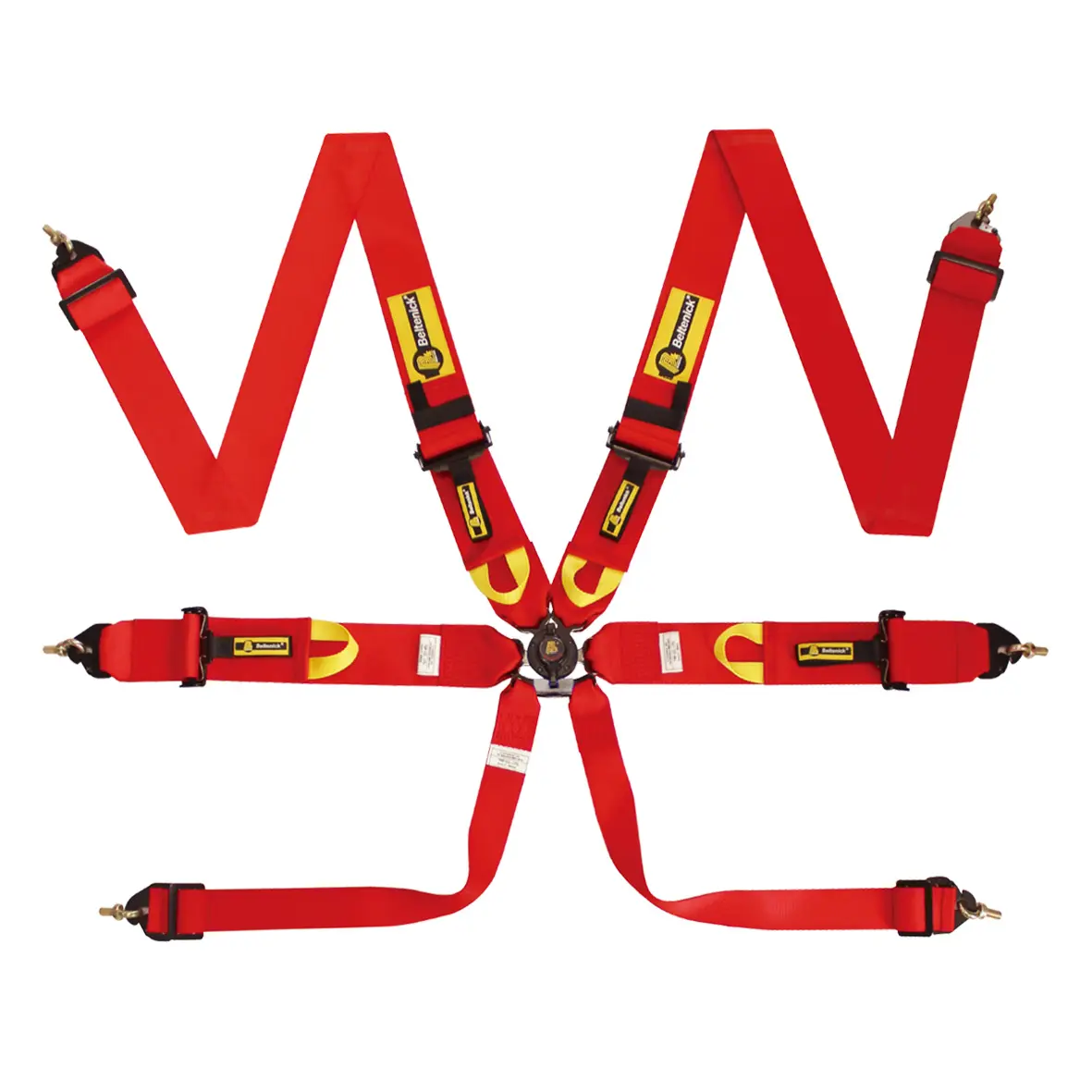
FIA Pull-Up Harness
Camlock: RCU-1007, RCU-1007H, RCU-1005, RCU-1003, RCU-1003HSA, RCU-1003H, RCU-1100A



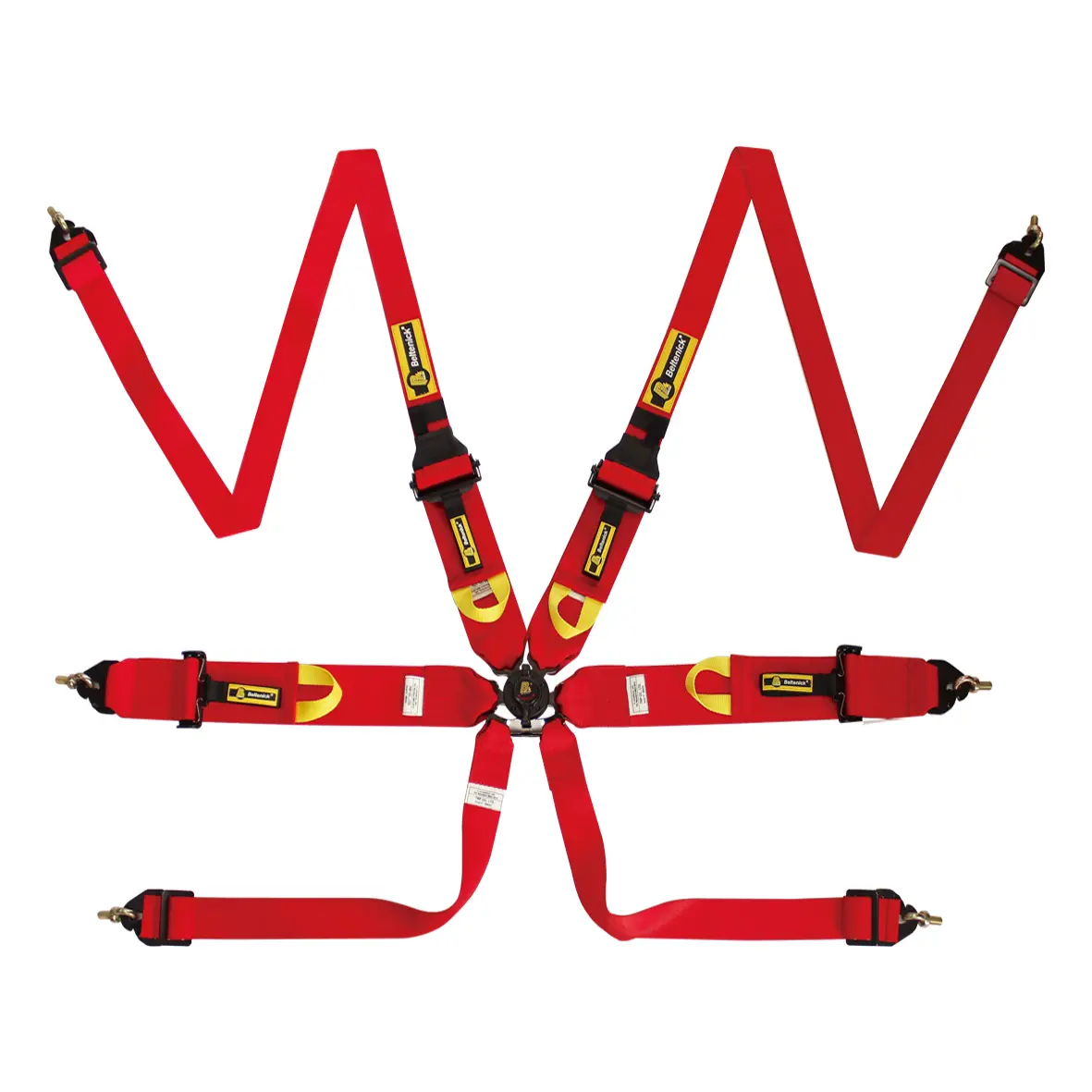

FIA Pull-Down Harness
Camlock: RCU-1002, RCU-1003PD, RCU-1006, RCU-1007PD

■ Conclusion
There is no inherent superiority between pull-up and pull-down lap belts—it ultimately comes down to which option best suits your needs.
By understanding these differences and choosing accordingly, drivers can enhance both comfort and safety, ensuring their harness performs exactly as intended when it matters most.
See the article below to find Beltenick FIA & SFI Racing Harness Selection Guide:
The Ultimate BELTENICK® Racing Harness Selection Guide: FIA & SFI Comparison
Browse our range of Pull-Up and Pull-Down SFI & FIA Racing Harnesses