■ Why Process Transparency Matters When You’re Buying a Custom Racing Suit
When you’re trusting a racing suit with your life on the track, “Can they actually deliver?” is the question every buyer asks before placing an order.
Custom manufacturing can feel like a black box — you send your size/measurements and a design, then wait weeks without knowing exactly what’s happening to your suit.
At BELTENICK, we believe you should see every stage before you commit, from the first design template to the final quality inspection.
Here’s exactly how your FIA & SFI-certified racing suit comes to life.
■ Step 1: Start With a Design Template, Then Make It Yours
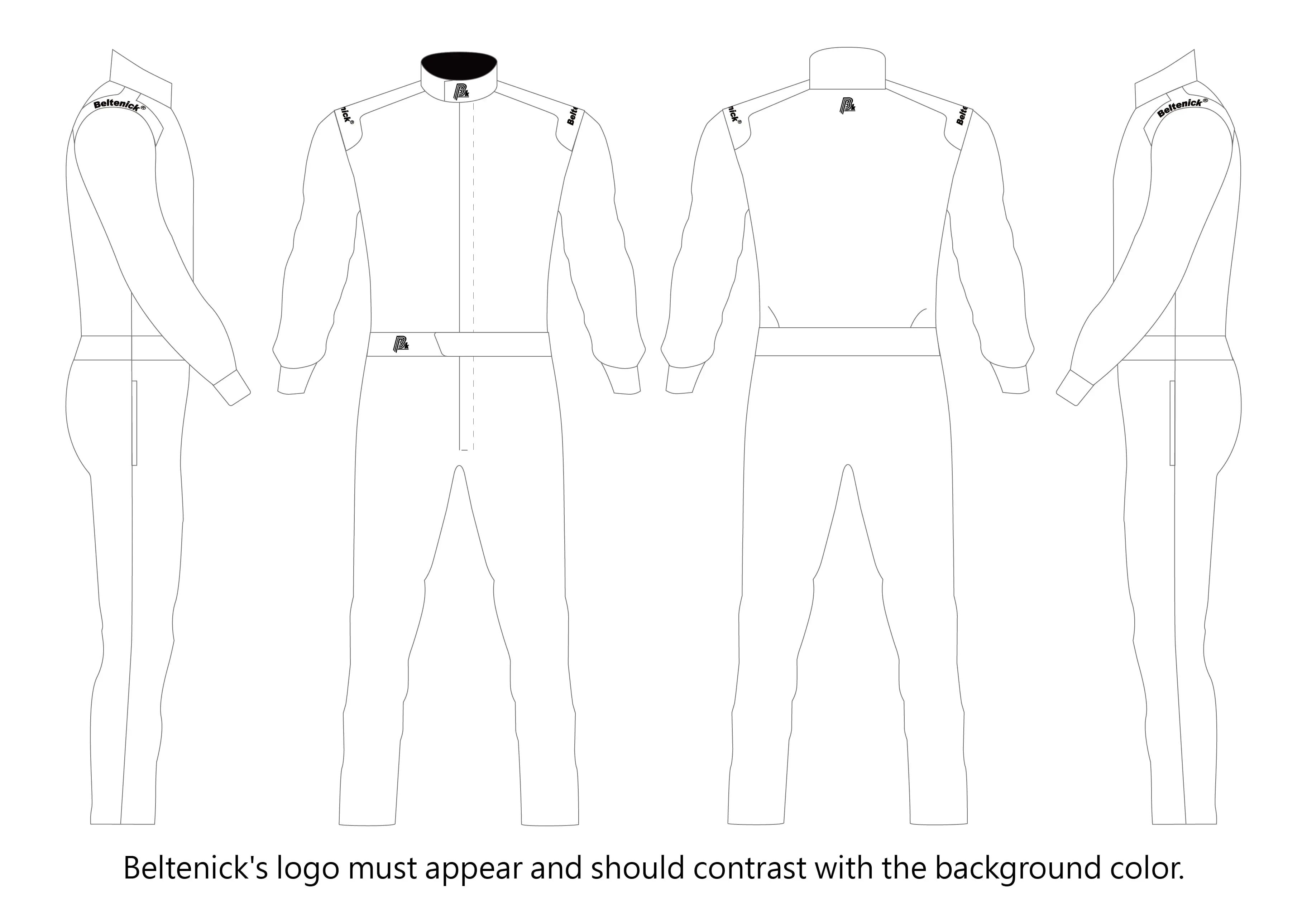
Every suit starts with a design template.
Our design templates give you a starting point for cut, panel layout, and color zones, which you then customize with your own (team) colors, sponsor logos, and layout preferences.
This approach gives you the best of both worlds: a structurally proven pattern base, combined with a fully custom look that’s unique to your team.
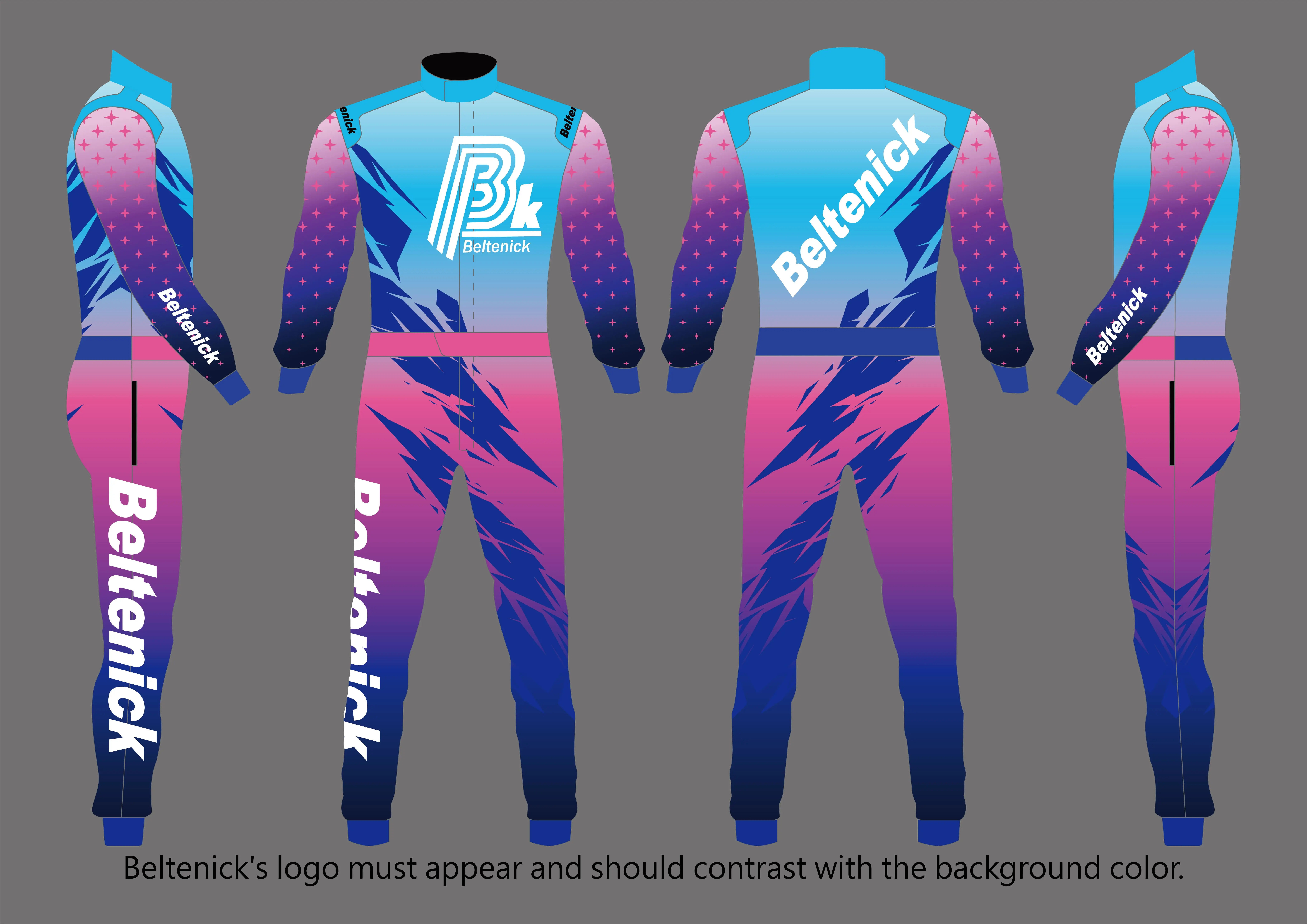
We have many standard pattern templates for customers’ use, and we can adjust and offer a mock design based on your requirements.

An example of a suit mock design:

Want to see our template options?
Contact BELTENICK today and we’ll send you our design templates to kickstart your suit
— free of charge!
■ Step 2: Cutting Fabric to Your Exact Measurements
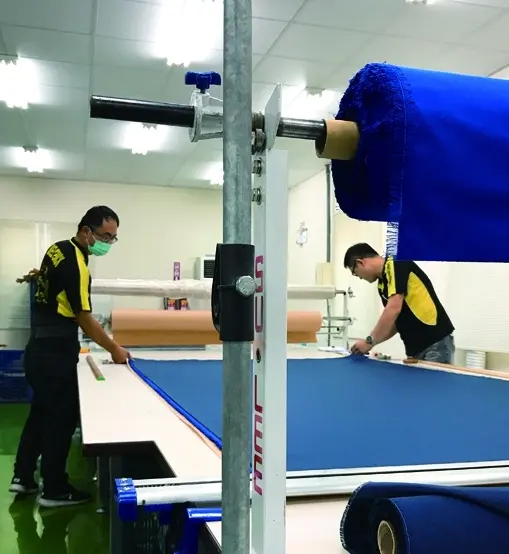
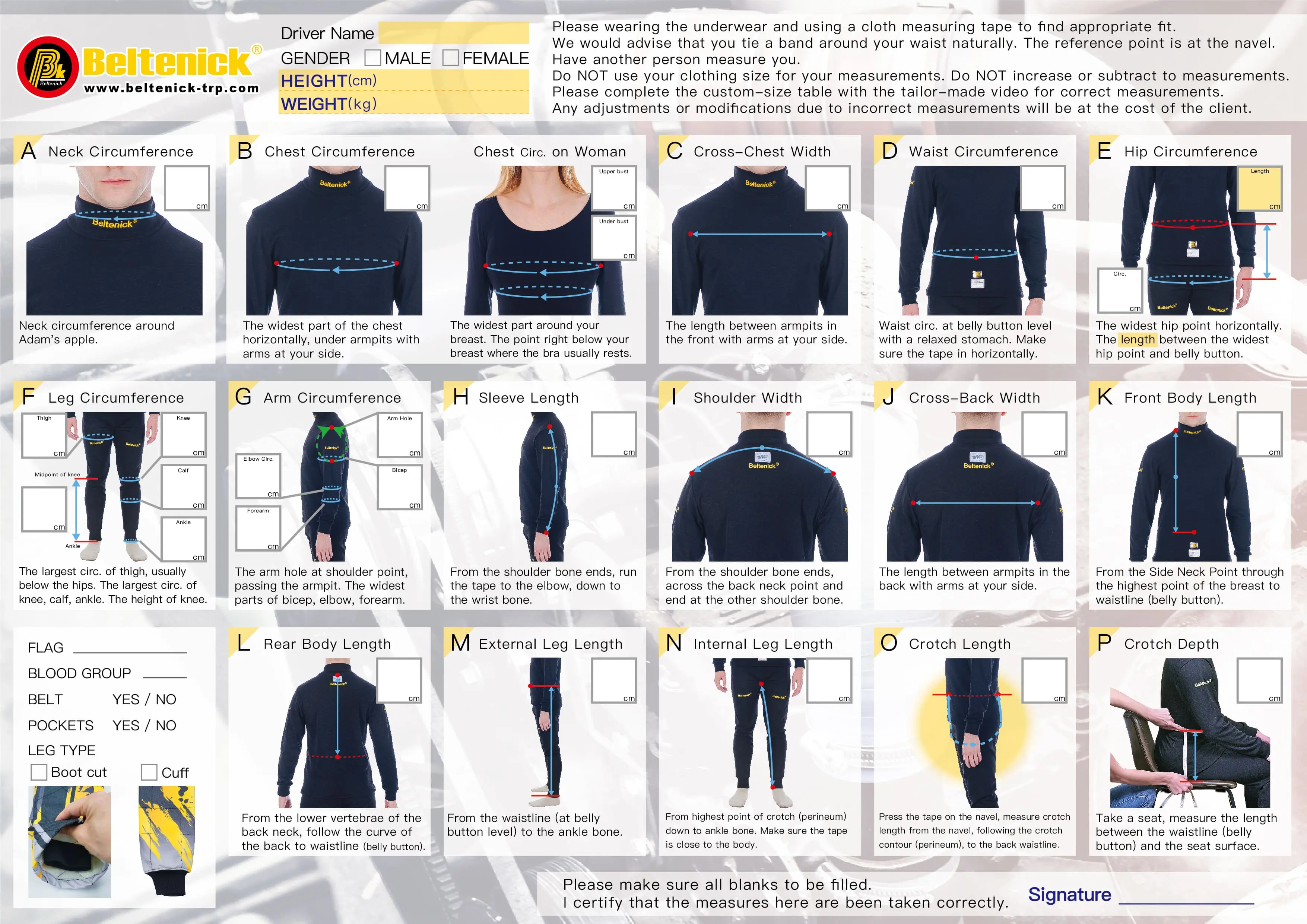
Once your design is confirmed, we cut every fabric panel according to the standard size you choose or your individual body measurements (for a custom suit).

Curious how we take your measurements? See our full Custom Racing Suit Sizing Guide:
Beltenick Measurement Size Chart:

■ Step 3: Printing or Embroidery — Bringing Your Design to Life
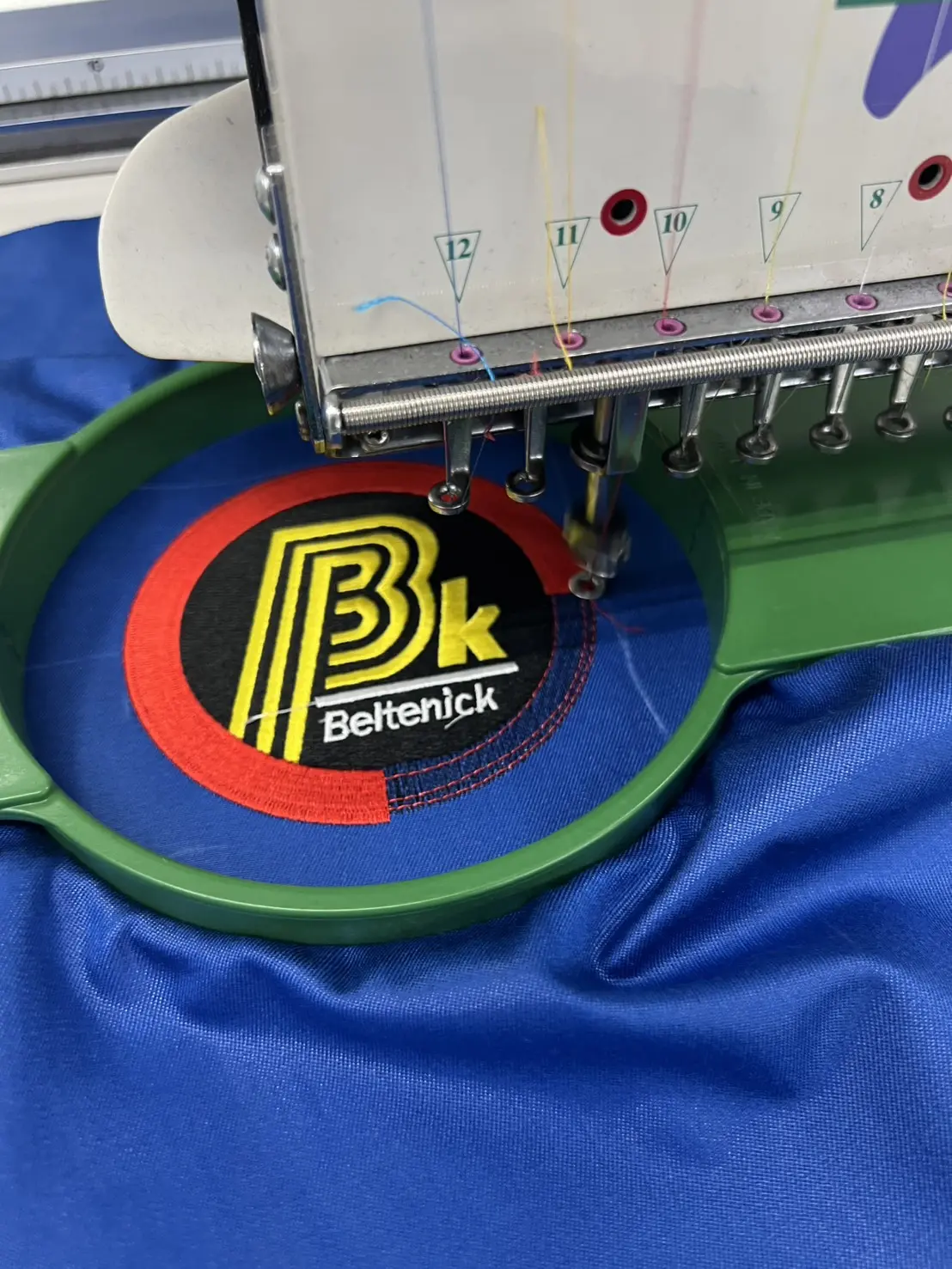
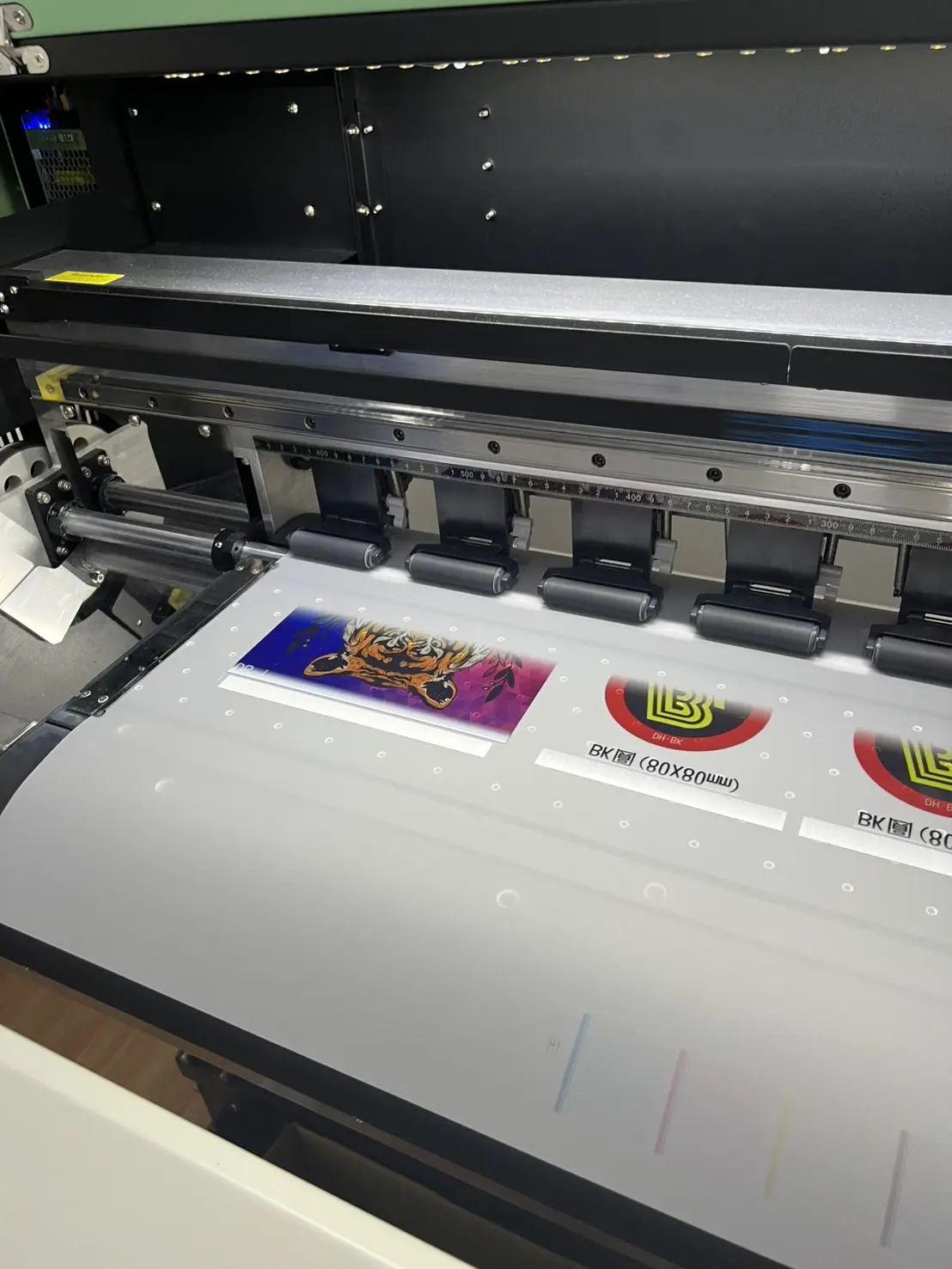
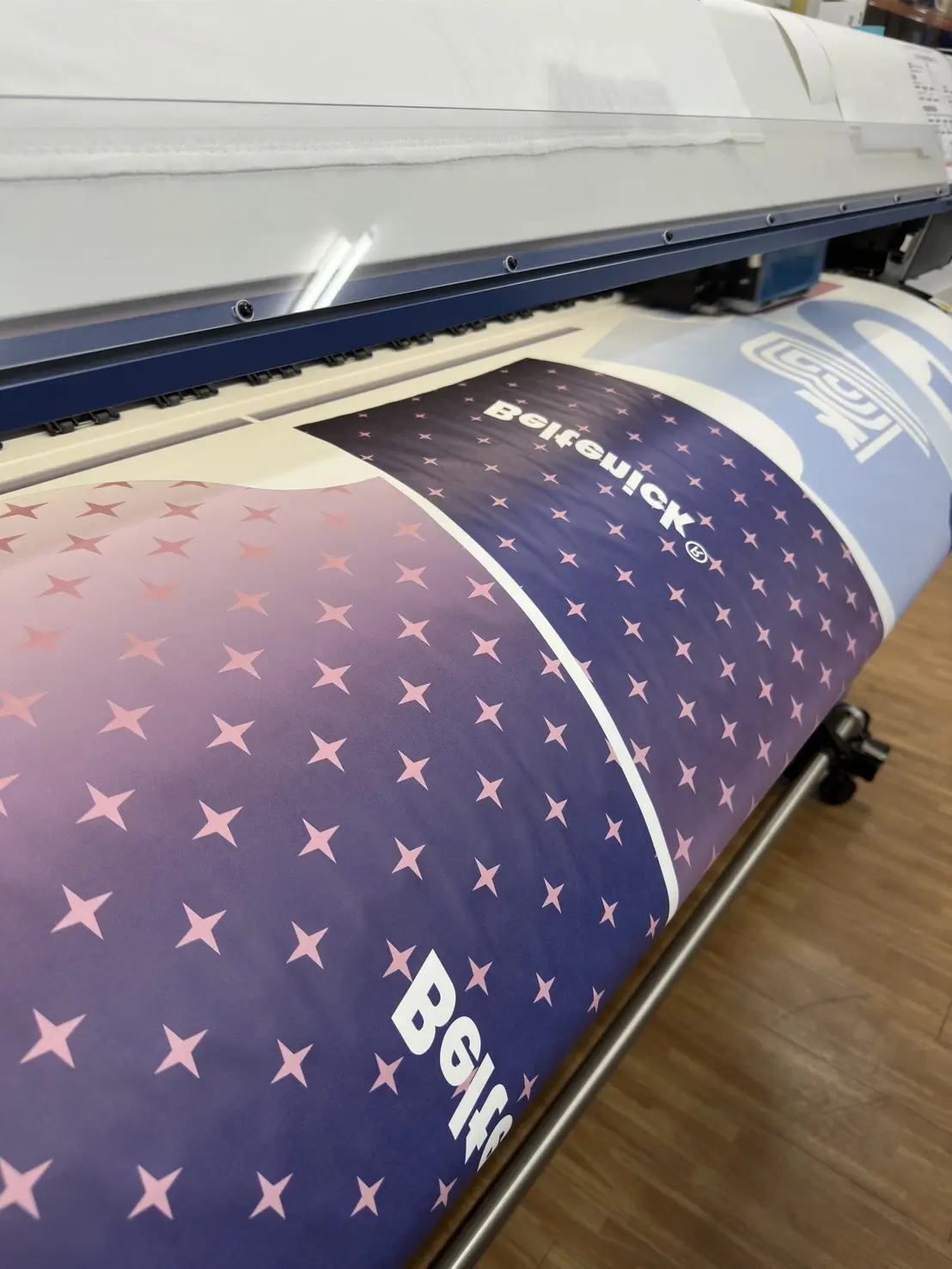
Once the panels are cut, your design is applied in one of three ways below, depending on your preference:


Sublimation printing infuses the design directly into the fabric fibers, so logos and graphics never crack, peel, or add extra weight — a big advantage over traditional printed patches.
Embroidery, on the other hand, remains a solid choice for simpler logos or a more traditional look.
Want to understand which option is right for you and your team?
Read our full breakdown in Beltenick FIAおよびSFI公認:
昇華プリント・レーシングスーツガイド
■ Step 4: Sewing — Precision Stitching for Safety and Durability
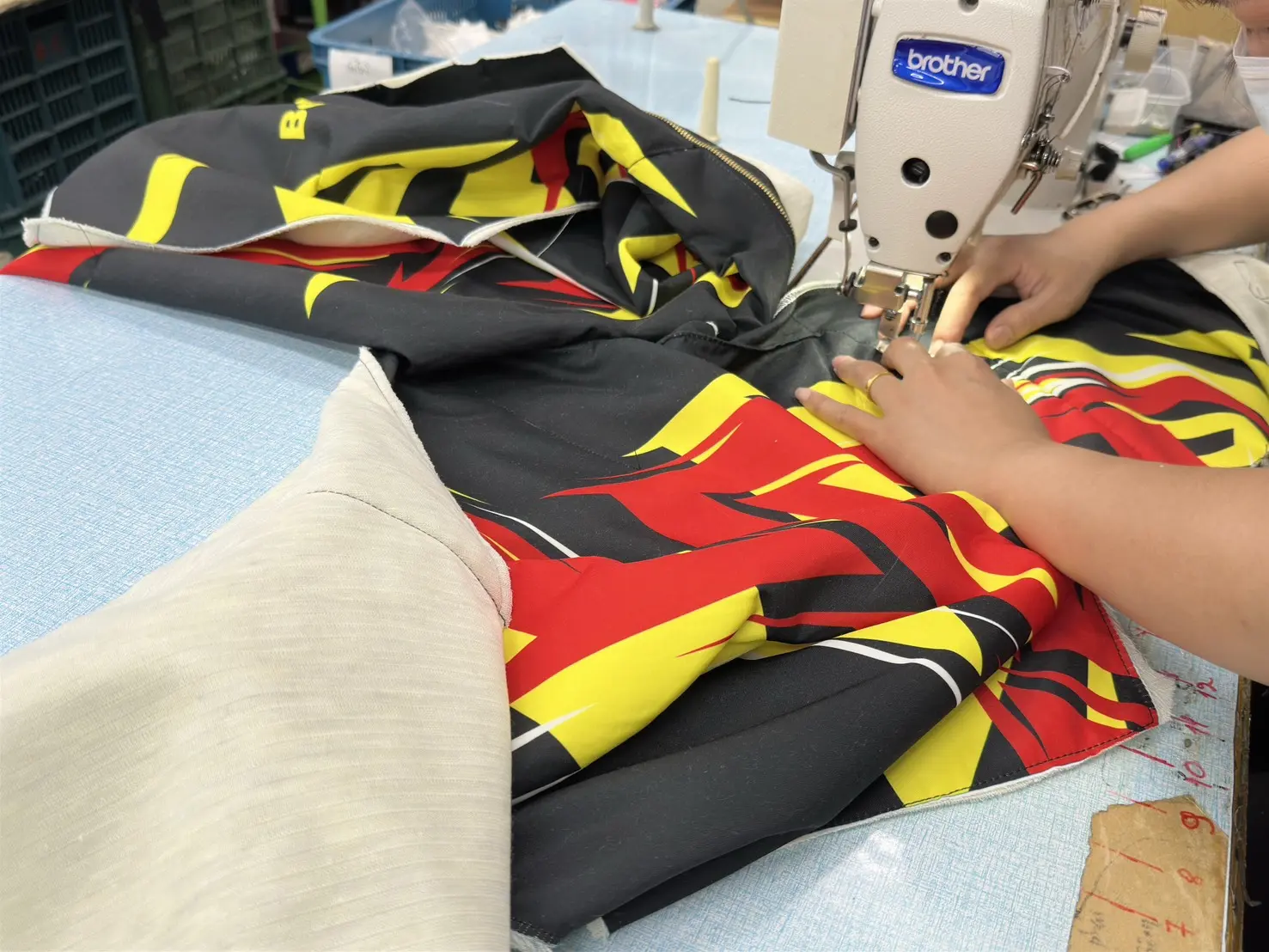
Every panel is then sewn together by our experienced sewing team.
Seam strength isn’t just about durability — in a fire-resistant suit, seam construction directly affects how well the suit performs in an emergency.

■ Step 5: Quality Inspection & Certification Confirmation
This is the step buyers care about most, and rightly so — does this suit actually meet FIA and SFI safety standards?
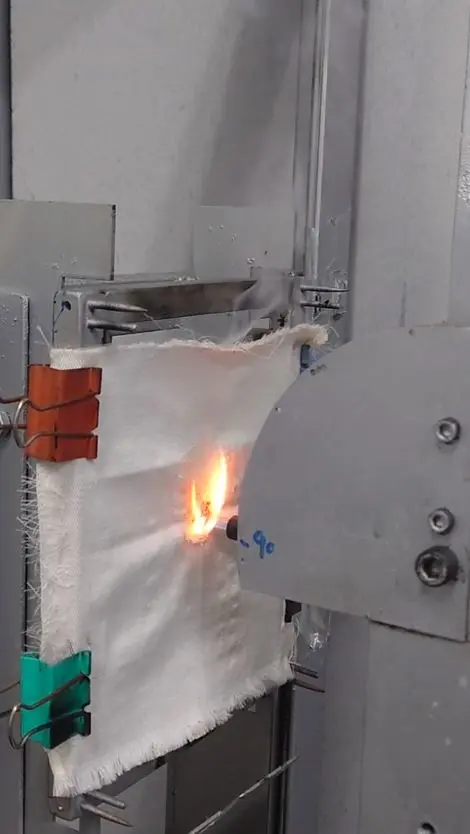
Before any suit leaves our factory, every batch of fabric is tested for flame resistance to confirm it meets the required fire-retardant performance.
This isn’t a one-time claim — it’s a per-batch verification process because fabric performance can vary between production runs.
Fire-retardant is a very important factor for driver safety!

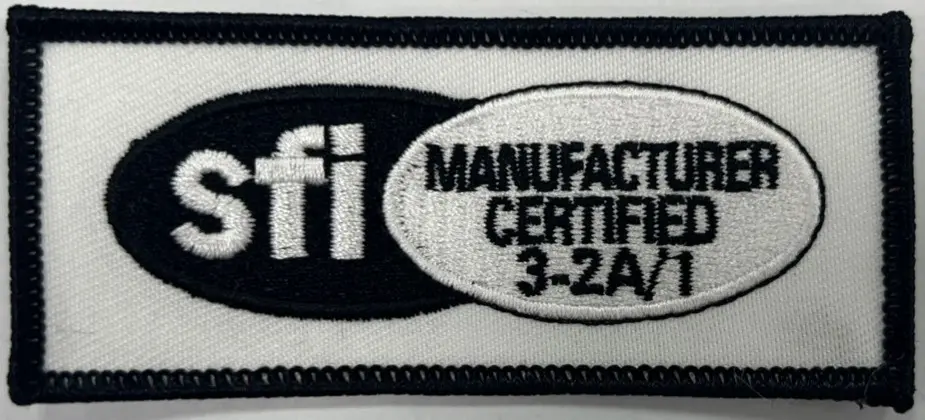
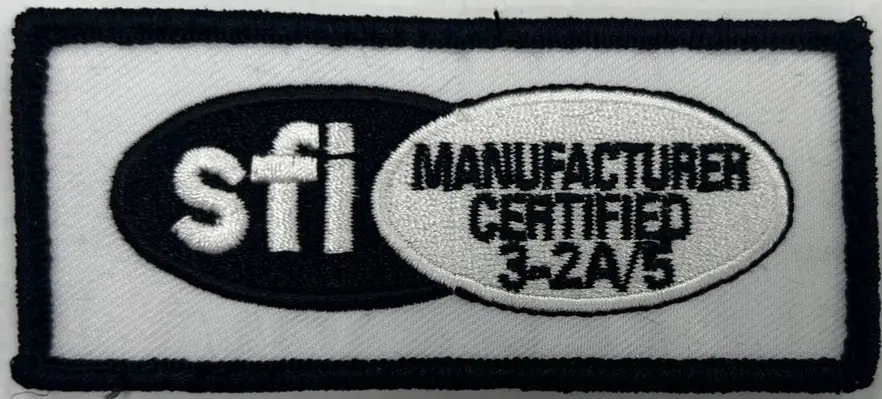
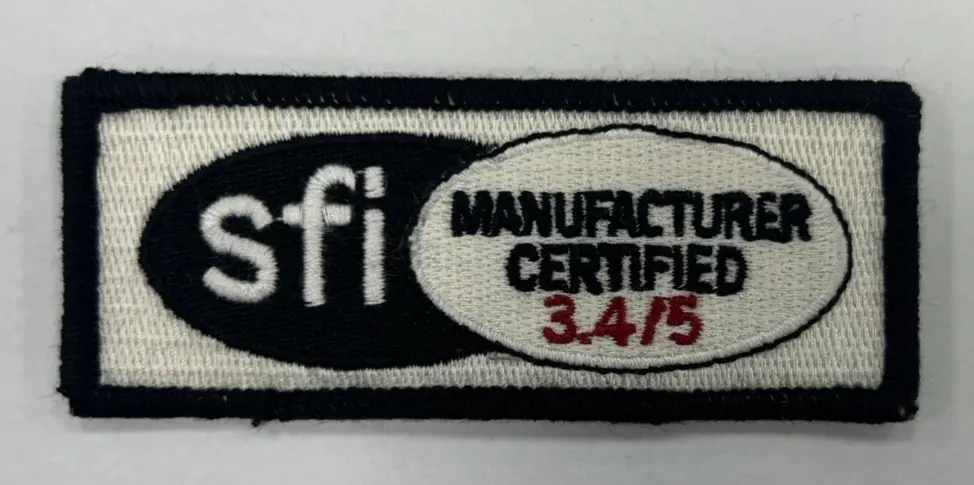
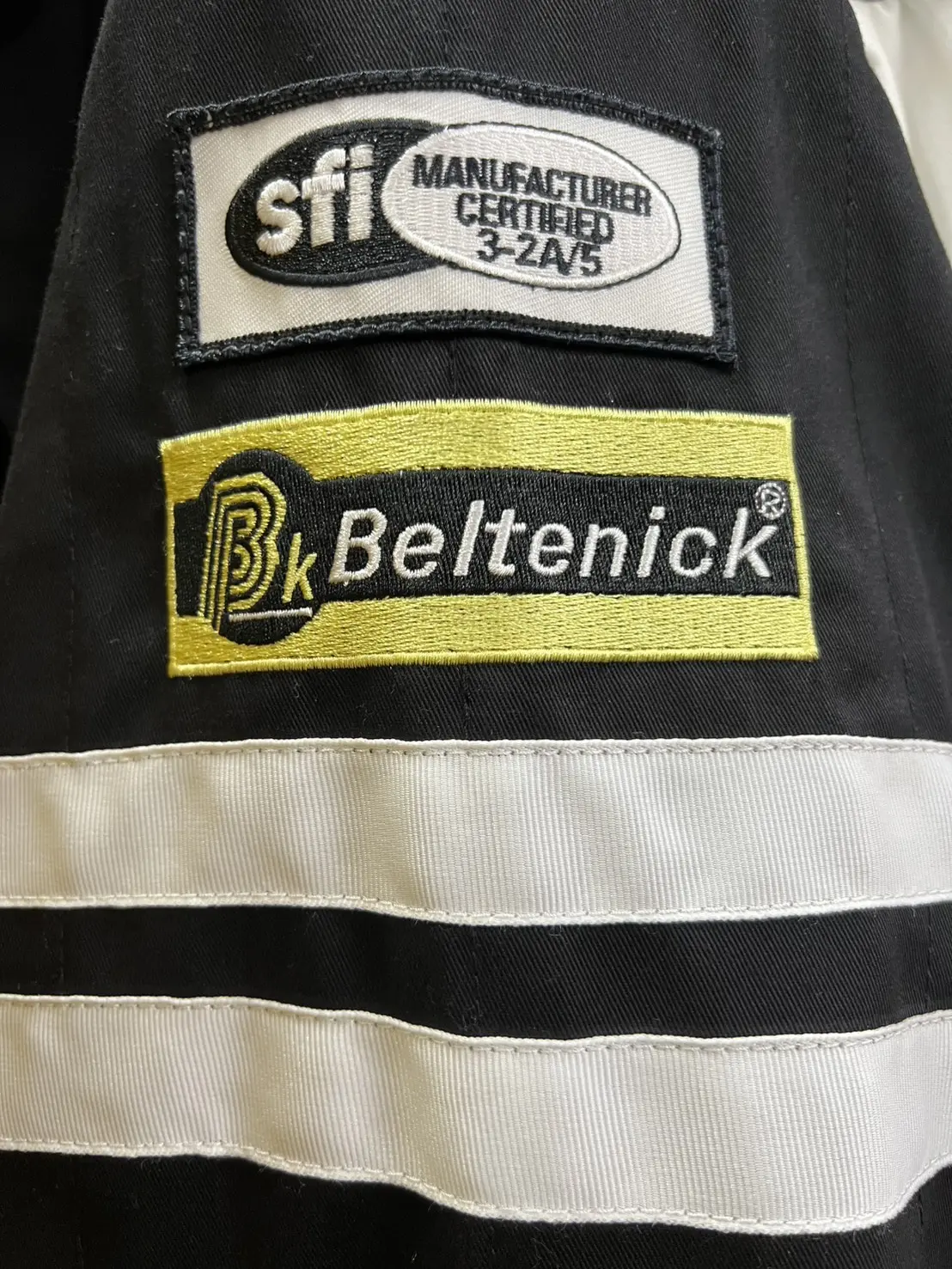
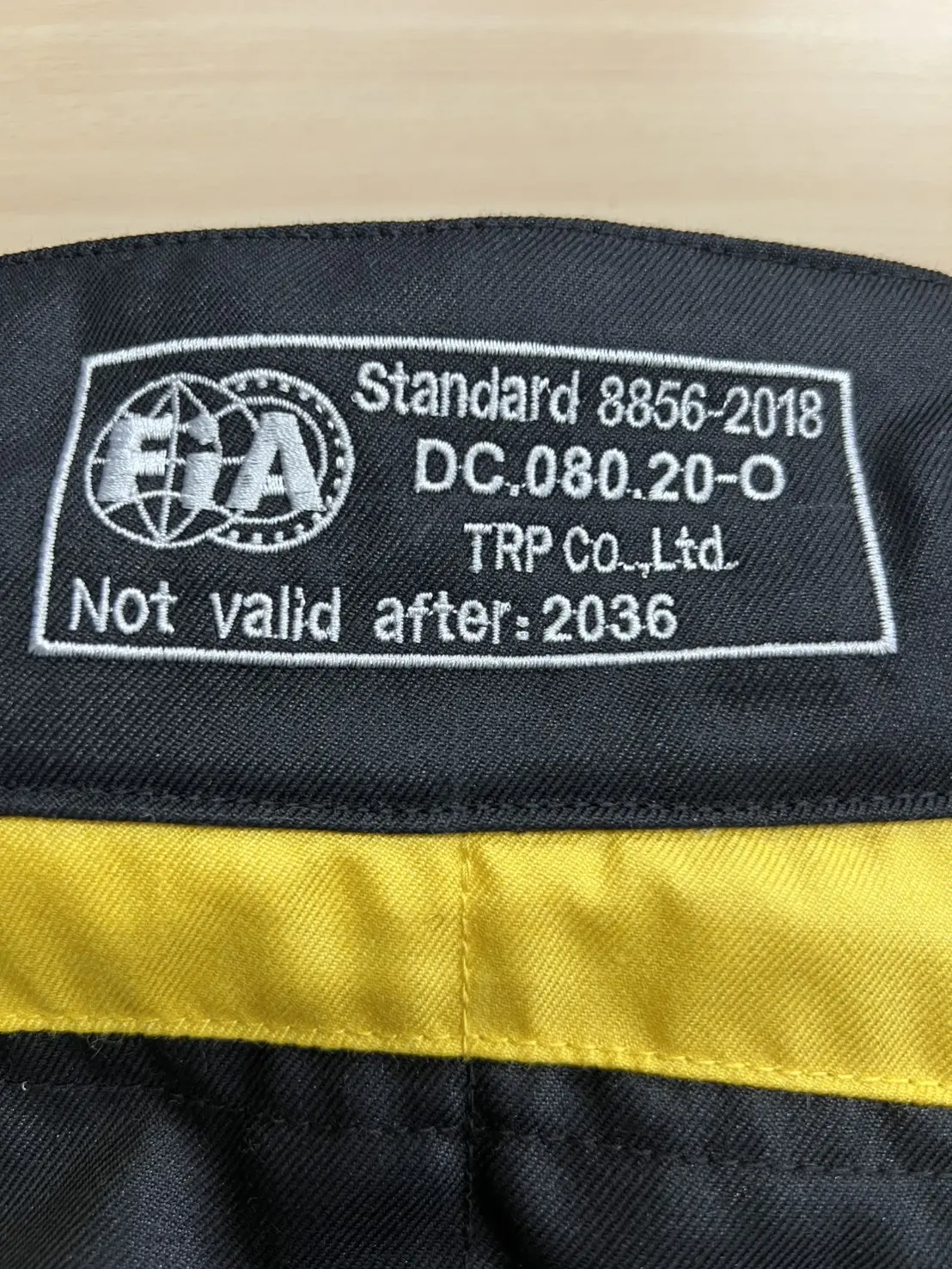
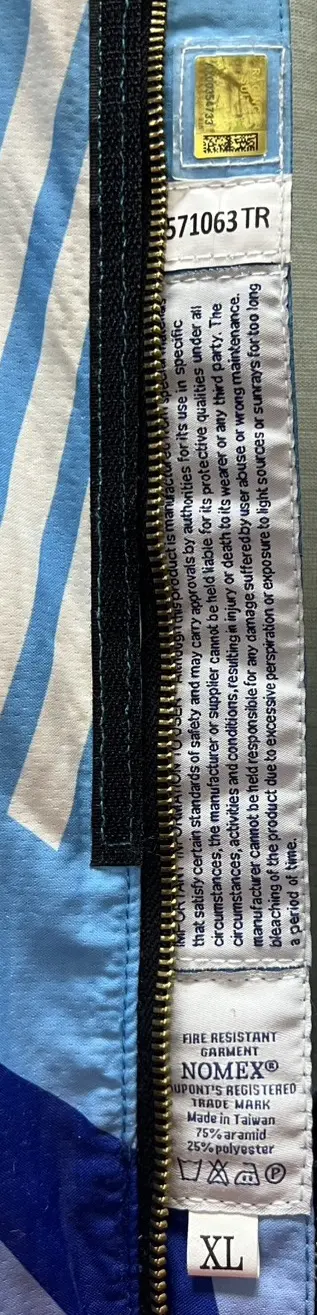
Once fabric passes testing and meets the regulation, each suit can be applied with the appropriate certification label sewn directly into the garment:
★ SFI certified suits carry the official SFI spec label


★ FIA certified suits carry the FIA homologation label


These labels are your proof of compliance — always check for them before you step on the track.
More information on How to Check Racing Suit Expiration Dates: FIA & SFI Labels Explanation
Contact BELTENICK today and we'll send you our design templates to kickstart your suit It's free of charge!